We use cookies to make your experience better. To comply with the e-Privacy directive, we need to ask for your consent to set the cookies. Learn more.


What is a Progressive Safe System (PSS)?
The Progressive Safe System (PSS) is the mandatory safety standard required for all HGVs over 12 tonnes with a Direct Vision Standard (DVS) rating of 0, 1, or 2 stars to legally operate in Greater London.
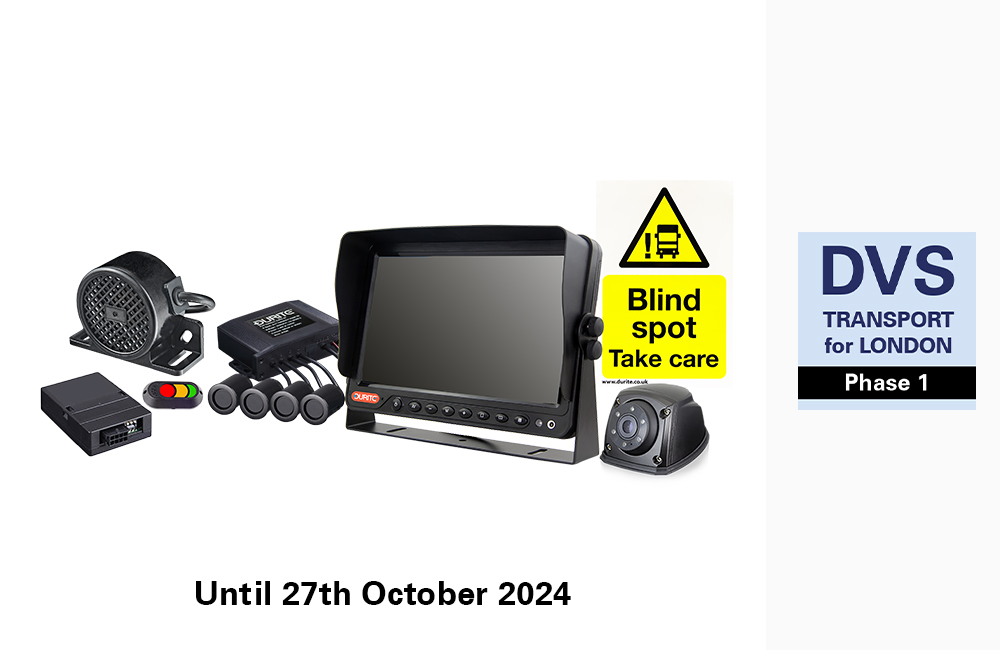
Unlike the legacy "Phase 1" Safe Systems that relied on passive ultrasonic sensors, the PSS utilises Active Artificial Intelligence (AI) to proactively eliminate blind spots and provide real-time collision predictions. This system is a prerequisite for applying for a new DVS Safety Permit, allowing fleets to continue operating within the DVS zone. HGV CCTV systems are part of the vision zero plan, helping to eliminate all deaths and serious injuries related to HGVs on London's roads by 2041.
Durite all-in-one Progressive Safe System (PSS)
Technological advancements play a pivotal role in mitigating potential road hazards. One such innovation is the introduction of the Active AI Blind Spot Information System (BSIS), a significant leap from the initial Direct Vision Standard (DVS) Phase 1 and the original Safe System.
At the forefront of this revolution is Durite's All-In-One Progressive Safe System (PSS), which utilises smart Artificial Intelligence (AI) technology to eliminate blind spots, enhance detection capabilities, and adhere to the safety standards set by Transport for London (TfL).

Enhanced Functionality of the Blind Spot Information System
The cornerstone of this Progressive Safe System is the Blind Spot Information System (BSIS), which includes enhanced functionality to distinguish between stationary and moving objects. Unlike its predecessor, the system's BSIS employs AI algorithms to recognise potential collisions and alert the driver only when an imminent hazard is detected. This level of sophistication not only enhances safety but also minimises unnecessary alerts, providing a more effective and reliable solution.
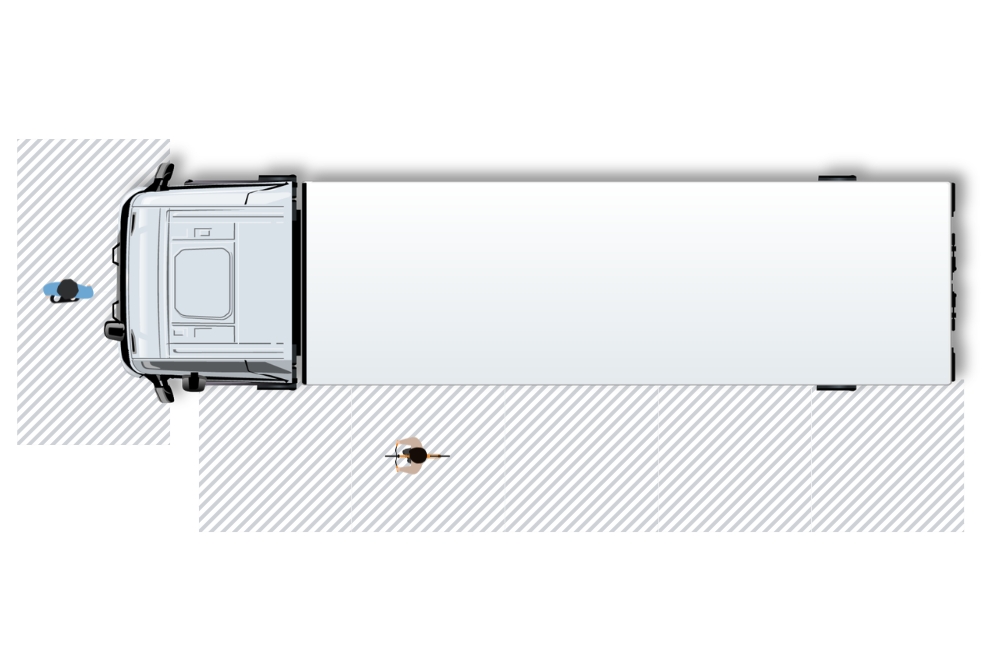
Durite’s HGV CCTV systems ensure full coverage down the nearside of rigid vehicles, a critical area that has been a blind spot challenge. For articulated trailers, the inclusion of sensors on the front tractor unit is mandatory, with recommendations to extend this coverage to the trailer whenever possible. By incorporating AI into the DVS Camera Kits, the PSS significantly reduces blind spots, creating a safer environment for Vulnerable Road Users (VRUs).
Another important addition to the PSS is the introduction of the Smart Active AI Camera Moving Off Information System (MOIS). This system focuses on detecting pedestrians and cyclists at the front of the vehicle and promptly alerting the driver when the vehicle is about to move off. The integration of visual and audio warning alerts ensures that drivers are well-informed about the presence of road users in the vicinity, mitigating the risk of potential accidents during critical moments.
Core Components of Durite’s AI-Integrated PSS
To ensure full compliance with Transport for London (TfL) safety standards, the Durite PSS incorporates these high-specification AI modules:
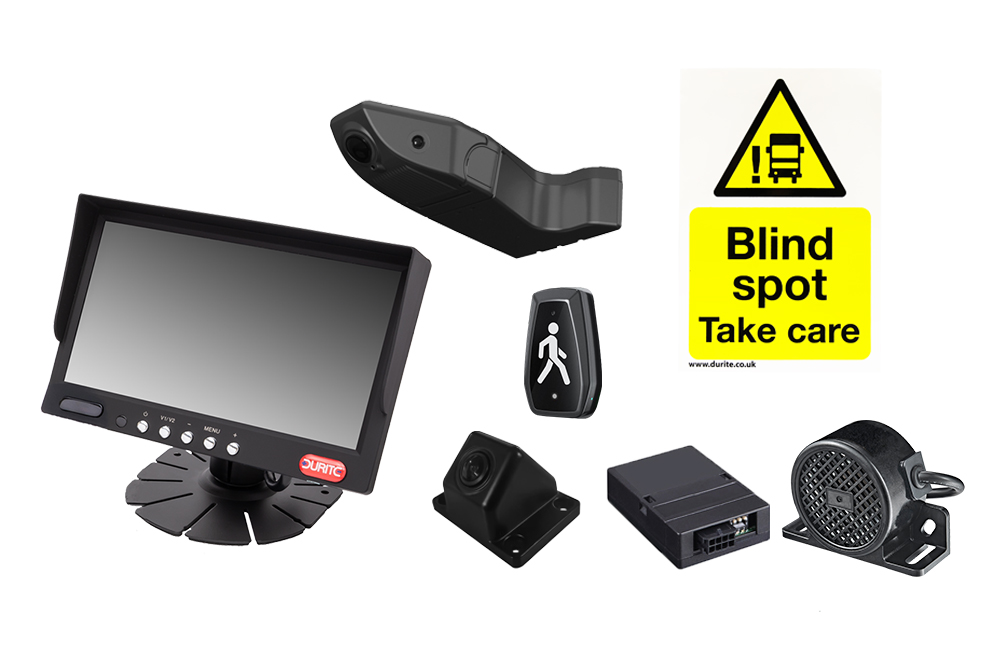
Moving Off Information System (MOIS): A smart AI camera system that detects pedestrians and cyclists in the front blind spot, alerting the driver immediately before the vehicle moves off from a stationary position.
Blind Spot Information System (BSIS): An AI-driven sensor suite that monitors the full nearside of the vehicle. It utilises sophisticated algorithms to distinguish between moving road users and stationary objects, significantly reducing "false positives" and driver alarm fatigue.
Camera Monitoring System (CMS): A high-definition nearside camera that integrates with the BSIS to completely eliminate traditional blind spots, providing the driver with a clear, real-time view of the vehicle's side.
Vulnerable Road User (VRU) Detection Alerts: An intelligent warning interface that provides synchronised visual and audible alerts only when an imminent collision with a pedestrian or cyclist is detected.
Original Safe System vs. 2024 Progressive Safe System (PSS)
Comparison of Durite Safe System & PSS
|
| |
Feature | Original Safe System (Phase 1) | Progressive Safe System (2024) |
Primary Technology | Traditional Proximity Sensors | Smart Artificial Intelligence (AI) |
Blind Spot Logic | Basic detection of objects | Collision Prediction (filters stationary objects) |
Front Detection | Not a primary focus | Mandatory MOIS (Front AI detection) |
Nearside Coverage | Standard blind-spot coverage | AI-Integrated CMS for full nearside visibility |
Alert Accuracy | Higher risk of false alerts | Minimised unnecessary alerts for reliability |

Why AI Integration is the New Standard
The leap to AI in DVS Camera Kits significantly reduces blind spots, creating a safer environment for cyclists and pedestrians. By using AI to distinguish between a bollard and a cyclist, Durite's BSIS provides a reliable solution that reduces "warning fatigue" for drivers.
Implementation Requirements:
Rigid Vehicles: Must ensure full coverage down the nearside.
Articulated Trailers: AI sensors on the front tractor unit are mandatory, with a recommendation to extend coverage to the trailer where possible.