We use cookies to make your experience better. To comply with the e-Privacy directive, we need to ask for your consent to set the cookies. Learn more.


Your Guide to the New DDAW Rules and How AI Cameras Keep Drivers & Vulnerable Road Users Safe
A momentary lapse in concentration can have devastating consequences. At 70mph, just six seconds of microsleep could see a vehicle travel around 200 metres, enough to cross three lanes of traffic or hit the central reservation. During this time, the driver is completely unaware of the road ahead and unable to react to danger.
This brief moment of microsleeping highlights a critical risk for drivers, where fatigue and distraction pose one of the greatest threats on the road today. For fleet managers, it underscores the growing responsibility to identify and manage these risks, especially with new safety laws now in effect.
So, where do you start? This guide breaks down why AI driver safety cameras in the UK are now an essential part of any modern fleet, explaining the risks, the rules and the solutions available.
What is a Driver Drowsiness and Attention Warning (DDAW) System?
For your fleet, the most important part of the General Safety Regulation (GSR) id the requirement for A Driver Drowsiness and Attention Warning (DDAW) system.
The sysyem includes advanced safety technology designed to reduce road accidents caused by driver fatigue. The AI driver safety cameras use real time data to monitor signs in eye movement, head position, stare duration and yawning. When the system detects signs of exhaustion, it triggers a multi-sensory alert, prompting the driver to take a break.
Key DDAW Compliance Facts
Deadline: Driver Drowsiness and Attention Warning (DDAW) systems are mandatory for new commercial vehicles registered from July 2024.
Scope: Applies to all newly registered trucks, vans, and buses in the UK.
Technology: Monitors the driver’s physical state via cameras or steering pattern analysis to issue warnings when drowsiness is detected. Vehicles with a maximum speed of 70km/h or less are exempt, as frequent pattern changes in urban driving make reliable assessment difficult.
Future Proofing: Advanced Driver Distraction Warning (ADDW) systems are required to be fitted to all new vehicles sold in the market from 7 July 2026.
Are you aware of what one incident could really cost your business?
The risks aren't just on the road; they can have a huge impact on your operations and carry serious legal consequences.
National Highways recently reported a 59% rise in fatigue related deaths and serious injuries. As the road safety charity Brake points out, a tired driver who causes a fatal collision can be charged with death by dangerous driving, facing up to 14 years in prison.
The problem of distraction is not just tiredness. Last year, UK government data showed that using a mobile phone was a factor in 23 road fatalities. AI driver safety cameras are specifically designed to spot this kind of behaviour.
IS DDAW MANDATORY IN THE UK?
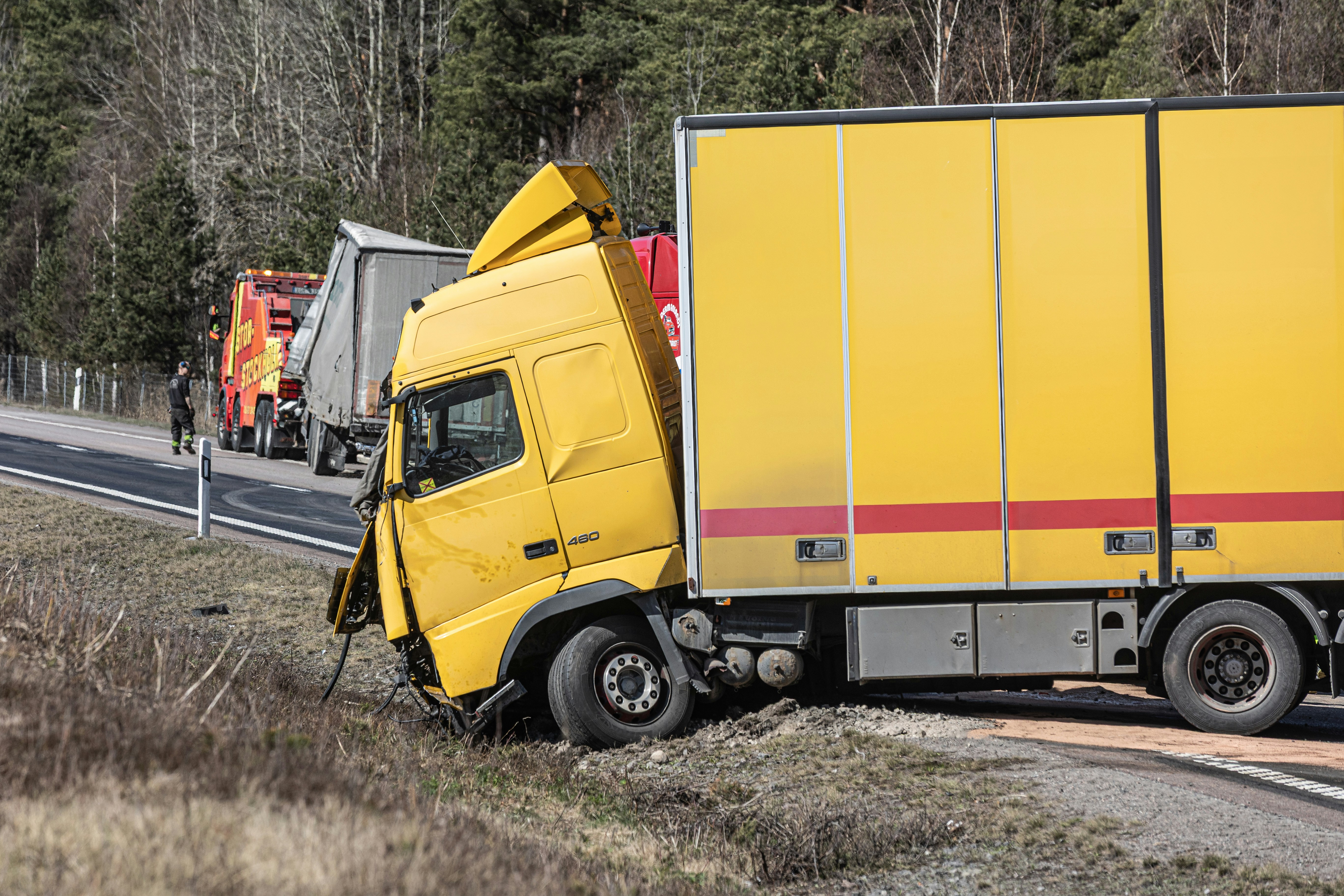
Yes. As of July 2024, DDAW systems are a legal requirement for all newly registered commercial vehicles. Failure to comply or incidents resulting from tired driving can lead to charges of "death by dangerous driving," carrying up to 14 years in prison. This requirement will be extended to include more advanced versions of these systems from July 2026.
How Does Durite's AI Driver Monitoring Technology Work?
Unlike standard dashcams that simply record footage, Durite AI driver safety cameras act as an intelligent co-pilot.
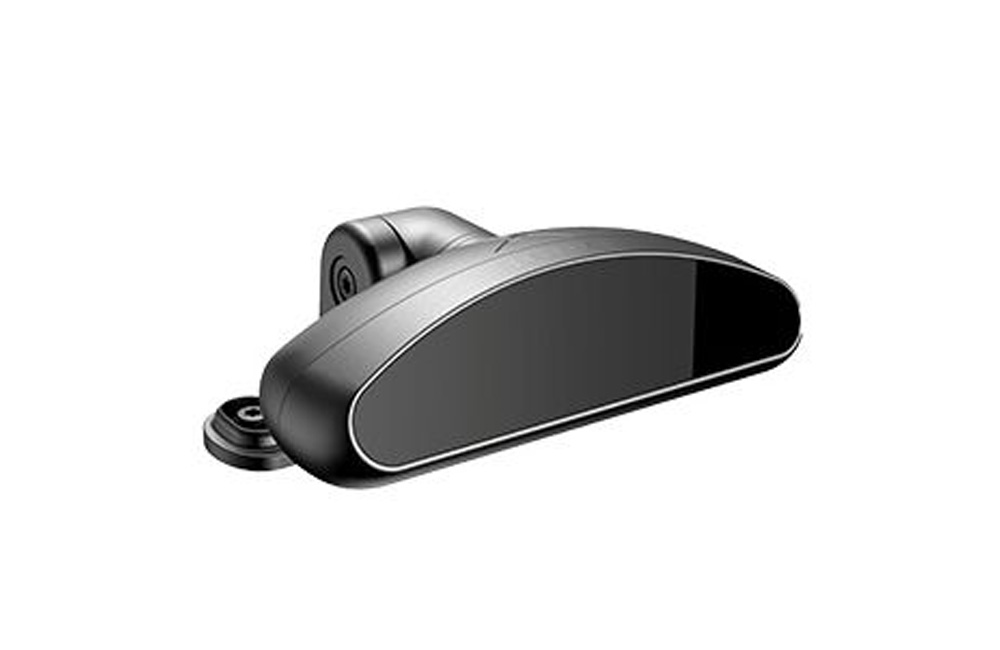
Real-Time Analysis: The camera uses artificial intelligence to analyse driver behaviour in real-time.
Biometric Tracking: The system monitors specific signs of fatigue, including eye movement, head position, and yawning.
Proactive Alerting: If the system detects drowsiness or distractions, such as mobile phone use or smoking, it provides an instant audible and visual alert to the driver.
Privacy-First Design: These systems are designed for prevention, not punishment; they do not continuously record or store footage unless integrated with a separate DVR system.
4 Ways The Durite DMS AI Safety Camera Can Protect Your Business
1. Detect Fatigue and Distraction in Real Time - Durite’s DMS (Driver Monitoring System) uses advanced AI to identify unsafe behaviours such as fatigue, distraction, mobile phone use, smoking, and not wearing a seatbelt.
2. Support Safer Driving Habits - By providing immediate feedback in-cab, the system encourages greater awareness and helps drivers form safer, more consistent driving habits.
3. Reduce Costs and Downtime - Preventing even a single collision can save significant costs in repairs, insurance, and time off the road, helping your fleet operate more efficiently.
4. Demonstrate Compliance and Professionalism - With DDAW systems now required on all new vehicles, and more advanced versions due from July 2026, installing Durite’s DMS ensures your fleet stays compliant and demonstrates a proactive approach to safety.
Durite’s driver monitoring and assistance systems are designed to complement its wider safety range, including ADAS and dash camera systems , giving fleets the flexibility to meet compliance standards today while building towards even higher levels of road safety in the future.
Driver Safety Camera Frequently Asked Questions
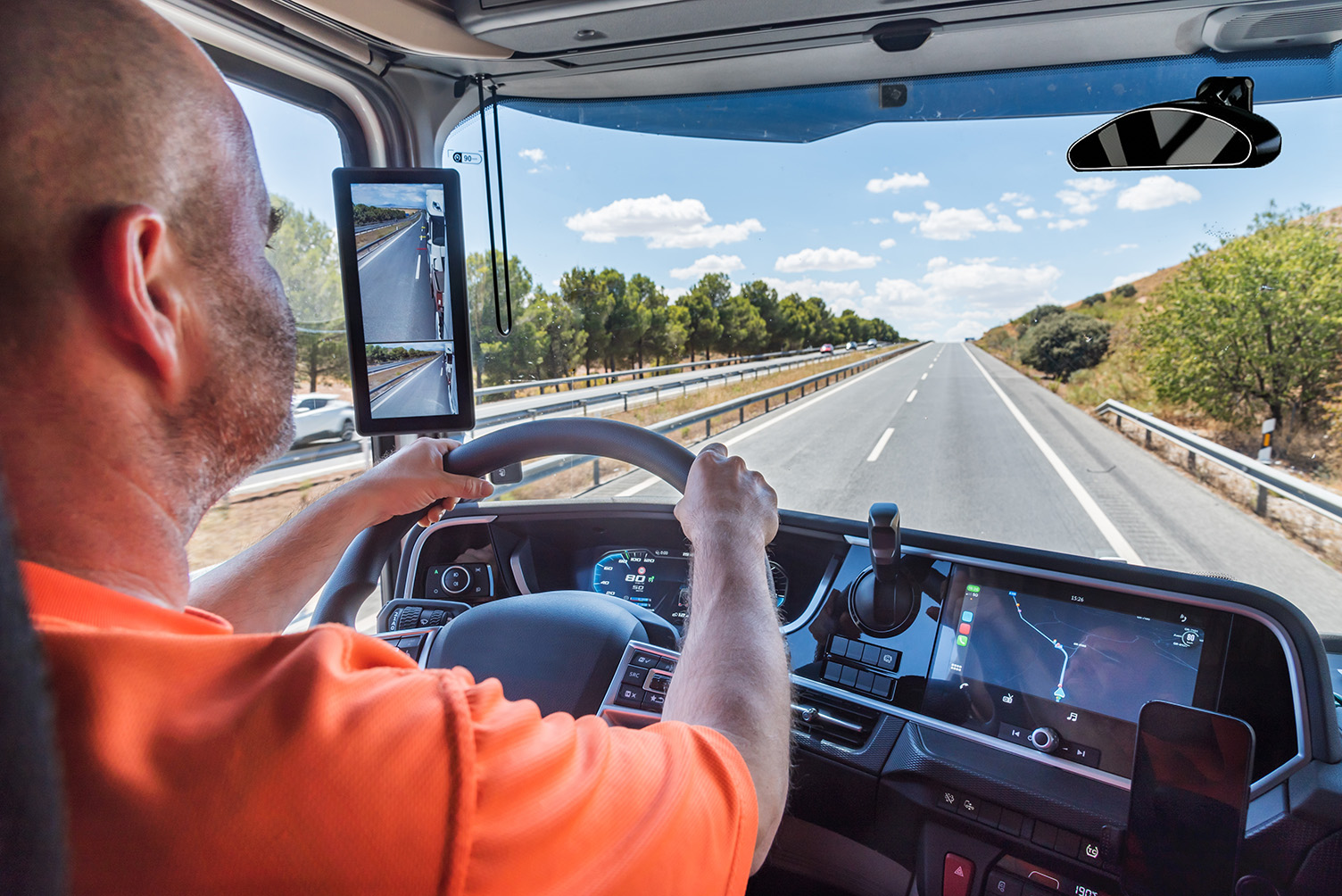
No, these systems do not continuously record or store footage. The AI driver safety cameras are designed solely to monitor and alert the driver in real time if fatigue, distraction, or unsafe behaviour is detected.
If you wish to capture and review video footage, this would require a separate ADAS dashcam or DVR system, which can record and store visual data alongside the alerts.
Our systems are designed for straightforward installation across a wide range of commercial vehicles, from vans to HGVs. And if you’d prefer professional support, we have a trusted network of approved installers to ensure everything is fitted and configured correctly.