We use cookies to make your experience better. To comply with the e-Privacy directive, we need to ask for your consent to set the cookies. Learn more.


HGV safety in 2026 Key Takeaways
From October 2024, all HGVs over 12 tonnes entering Greater London must meet a three-star Direct Vision Standard (DVS) rating or install a Progressive Safe System (PSS). These advanced camera and sensor systems are now a legal necessity for fleet compliance and the protection of vulnerable road users.
HGV CCTV Systems
Recent Direct Vision Standard (DVS) legislation means the integration of Closed-Circuit Television (CCTV) systems into heavy goods vehicles (HGVs) has transitioned from being a mere luxury to a fundamental necessity for most modern transportation and logistics companies, particularly in the Greater London area.
This is of crucial significance in all major cities that have a high concentration of vulnerable road users, as these systems will play an instrumental role in mitigating the incidence of road injuries and fatalities. The implementation of DVS regulations by Transport for London (TfL) has yielded tangible reductions in serious injuries since its inception.

How Do HGV Camera Systems Make Our Roads Safer?
GV camera systems serve as indispensable tools for increasing road safety by providing real-time visibility and minimising blind spots. This is of crucial significance in all major cities with high concentrations of Vulnerable Road Users (VRUs), such as cyclists and pedestrians.
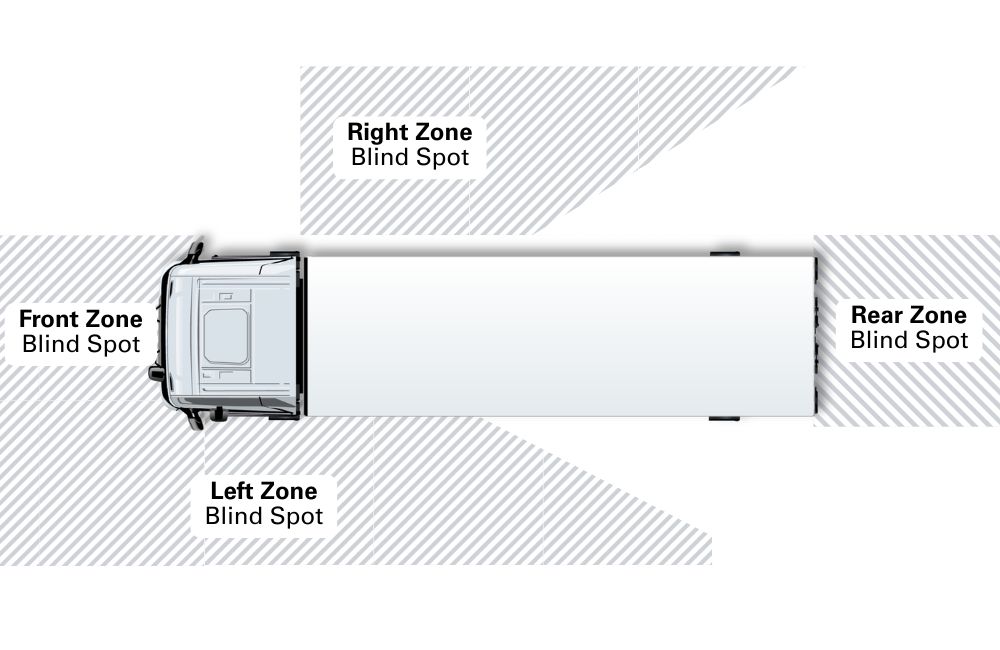
Eliminating Blind Spots: The absence of direct vision from the cab poses a challenge that often results in collisions. HGV Camera Systems target four primary areas of limited visibility: each side of the cab, the front, and the rear.
Strategic Deployment: Through the strategic use of cameras, these systems offer an effective solution for eliminating blind spots around vehicles, thereby safeguarding lives.
Reversing Safety: 60% of all commercial vehicle accidents occur during reversing manoeuvres. Integrating rear-view cameras is essential to mitigate these collision risks and enhance overall safety.
VRU Protection: By restricting the drivers' view of cyclists, pedestrians, and fixed features like bollards, blind spots heighten accident risks. Camera systems bridge this gap by offering a clear view of the vehicle's perimeter.
Selecting the Right HGV CCTV System for Your Fleet
Use the Durite Kit Selector to identify the optimal system tailored to your specific fleet requirements. The key considerations include compliance with DVS and FORS regulations, the incorporation of recording capabilities for comprehensive fleet management, and the integration of live streaming functionality to afford real-time monitoring of fleet activities.
Recognising that the efficiency of HGV camera systems is dependent upon both the quality of the equipment and the precision of installation, it is important that you choose to partner with a reputable installer such as one recommended and trusted by Durite.
Having a high-quality vehicle safety camera kit is a must but a fine install is as important to ensure optimal performance and maximises the utility of the camera system.
Here at Durite, not only do we supply best-in-class vehicle safety equipment with type approvals and extended warranty, but we also work with Approved Installers nationwide to ensure the installation is carried out to the highest standard.
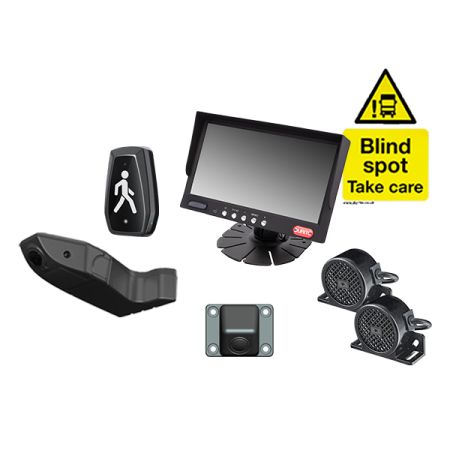
Using incident documentation, made possible by HGV camera systems, allows fleet operators to identify patterns, trends and common mistakes, and analyse incidents that may occur within their fleet. This data-driven approach facilitates proactive measures aimed at enhancing driver safety and fostering a culture of continuous improvement. By making use of insights taken from incident analysis, fleet operators can implement targeted interventions to mitigate risks and uphold the highest standards of road safety.
Contact us for more information on Durite’s range of HGV camera systems.
2026 Compliance Checklist: PSS Requirements
To operate legally in Greater London and meet modern safety standards, your fleet must incorporate the following Progressive Safe System components:
Technology | Purpose | Key 2026 Requirement |
MOIS (Front) | Moving Off Information System | Must detect VRUs in the front blind spot when starting from a rest, and alert the driver. |
BSIS (Side) | Blind Spot Information System | Must provide a visual signal for VRUs and an audible warning alerting the driver if a collision is imminent during a turn. |
CMS | Camera Monitoring System | A side-view camera is mandatory to eliminate remaining nearside blind spots, regardless of whether mirrors are fitted. |
Audio Warnings | External Turn Alarms | Must alert people outside the vehicle of intended maneuvers (e.g., "Vehicle turning left"). |
Visual Checks | DVSA Testing | As of 2nd February 2026, the DVSA conducts visual checks on ADAS cameras for damage and operation during inspections. |
Contact Durite For more information on Durite’s range of HGV camera systems, contact us at [email protected] or call +44 (0) 1255 555 200.
HGV Safety Frequently Asked Questions
The introduction of the Direct Vision Standard (DVS) by Transport for London has led to a significant reduction in serious injuries by requiring improved driver visibility. According to TfL, the number of people seriously injured in collisions involving HGVs has fallen by more than 50% compared to the average recorded between 2017 and 2019.
HGV camera systems are designed to cover four critical blind spot zones: the front, the rear, and both sides of the cab where direct vision is most restricted.